Stadium map: drag to move, scroll or pinch to zoom, right-drag to tilt. Click an area to open it.
Laayoune · Spring · Every year
Sahara Cup
One Love, One Sahara
A planned festival of children's football, family food, music and tree planting. Step into the stadium and follow the ball through every part of the project.
The centre circle: mission, vision and where it began.
Checkpoint 1 · Centre circle
99% family, love and coming together. 1% soccer.
Sahara Cup is a planned festival of children's football, family food, music and tree planting in Laayoune. Football is the reason to travel; the meal, the music and the trees are the reason to come back.
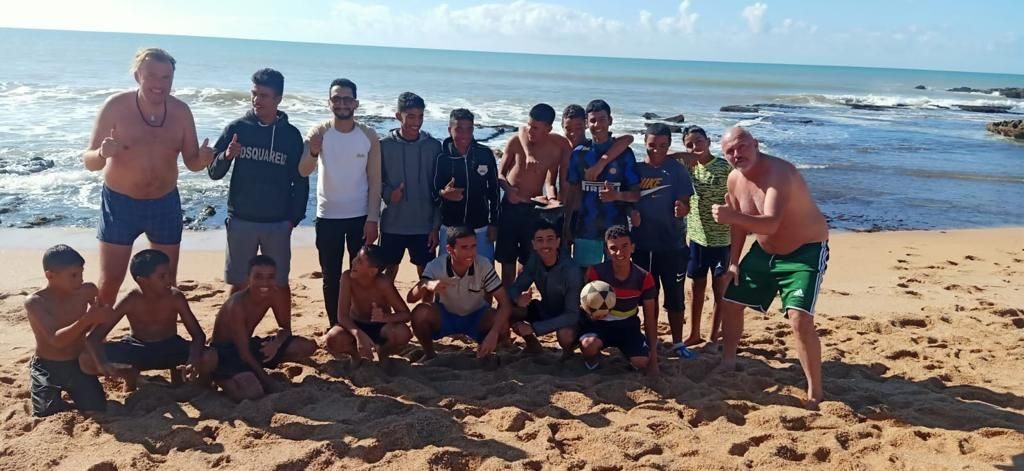
The “miracle on the beach”, where the dream started.
Purpose
“To awaken the opportunity for the Saharan child, regain respect for the parent”, and to bring the children of the Sahara and the world together with their families, every year.
Where it stands today
The plan is a first draft (October 2026)
A 300-team pilot, the “Laayoune Family Cup”, is planned for 2027
The aim is 3,000 teams by 2030. That would make it larger than any youth football tournament running today, a claim that will be independently verified before it is ever made
Every child plays. No one sits on the bench for a whole tournament. Under-10s play festival football where every child gets a medal.
Every family eats together. The Family Table, with daily communal meals cooked with local cooperatives, is the heart of the festival.
Every player plants a tree. One registered player, one native tree, cared for three years. Plus one tree for every goal.
Every team arrives. “Come by boat, by bus, by foot, by camel, but come together.” A travel fund makes sure distance and money never decide who can come.
Every culture is honoured. Saharan music, crafts, storytelling and food traditions are on the main stage, not on the side.
Sahara Cup flips the great youth cups around: it is a family festival with a football tournament inside it. Parents are guests, not spectators.
3
The pitch: the competition
Formats for every age, from 6 to 16, plus parents.
Checkpoint 3 · The pitch
The competition
Planned formats by age group
Ages
Format
Spirit
6–9
3v3 festival football, sand and small grass courts
No league tables; every child gets a medal
10–12
5v5 and 7v7, sand and turf
Groups plus A/B playoffs; every team plays 5+ games
13–16
7v7 and 9v9, 11v11 finals in the stadium
Competitive
All ages
Inclusion Class on accessible pitches
For players with disabilities
Parents
Parents' & Grandparents' Cup on the beach
Mixed teams, for fun
Girls' and boys' categories in every age group; mixed teams allowed up to age 9. Planned at full scale (2030): ~7,500 matches on ~150 pitches across sports grounds, schools and the beach at Foum El Oued, with the stadium as the ceremonial heart.
One player, one tree: each child plants a native tree with their family and receives its GPS location, to follow online for years
One goal, one tree: every goal adds a tree to the Sahara Cup Forest. A live scoreboard counts trees, not just goals
The right trees: drought-tolerant natives chosen with local foresters, such as acacia, argan, tamarisk and date palm, planted in shelterbelts, schoolyards and around the pitches
Three years of care: drip irrigation with treated water, paid local caretakers, a public survival count every year. A tree that dies is replanted
Planned trees per edition: 4,000 (2027) → 13,000 → 25,000 → ~36,000 (2030), plus goal trees. About €15 per tree, including three years of care.
Who can take part, what a team brings, what it costs.
Checkpoint 5 · Dugouts
Teams and players
What each team brings
At least two adult leaders, at least one of the same gender as the players, both with safeguarding training
Families register as the team's “family group” and stay in the same festival village
A child “Tree Captain” and a parent “Table Captain”
Planned team fees (per team)
Local Laayoune and regional teams: €50, waived for teams from low-income neighbourhoods
African teams: €150, eligible for “Every Team Arrives” travel support
European and other international teams: €450, plus a travel and accommodation package
Timeline (each edition)
Registration is planned to open in September (early bird for local and African teams), with travel-fund applications at the same time. International registration closes in December; the draw and schedule follow in January.
Registration is not open yet. You can register your interest now.
Daily lunch and dinner at long shared tables in every festival village
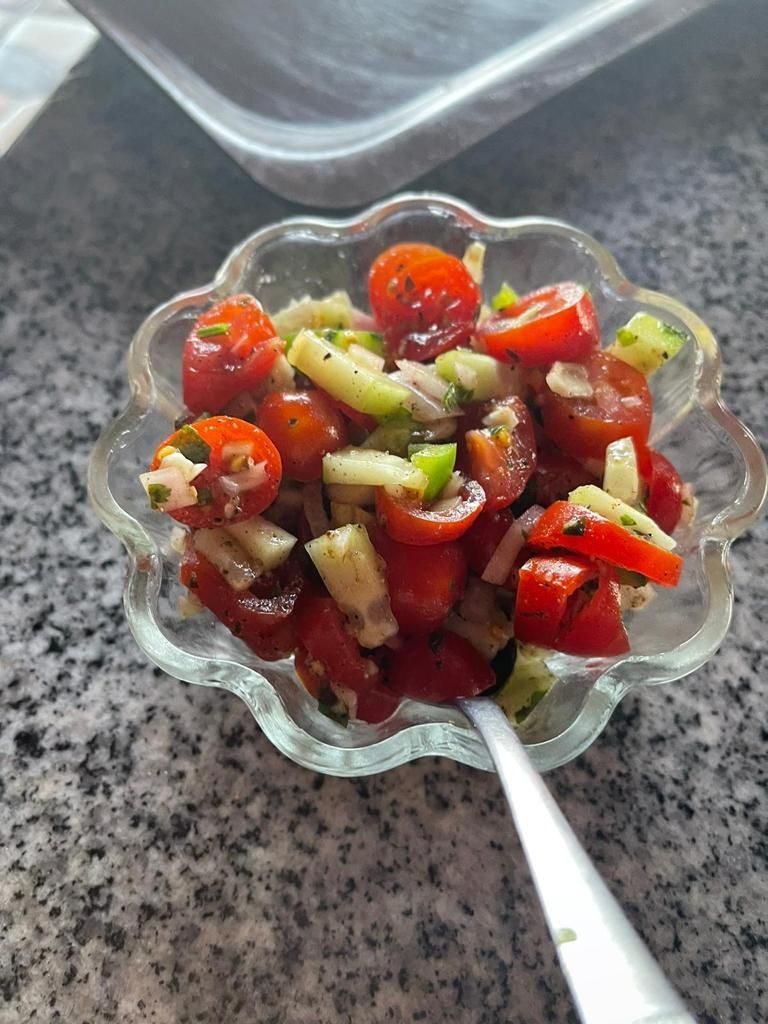
Cooked by local women's and farmers' cooperatives: tagine, couscous, grilled fish, salads, dates and mint tea
Each team eats with a “twin team” from another country; Friday Grand Feast on the beach
Zero-waste kitchens; food scraps compost the tree nurseries
Music, culture and love
Nightly concerts: Saharan and Hassani music, African and international artists, youth bands
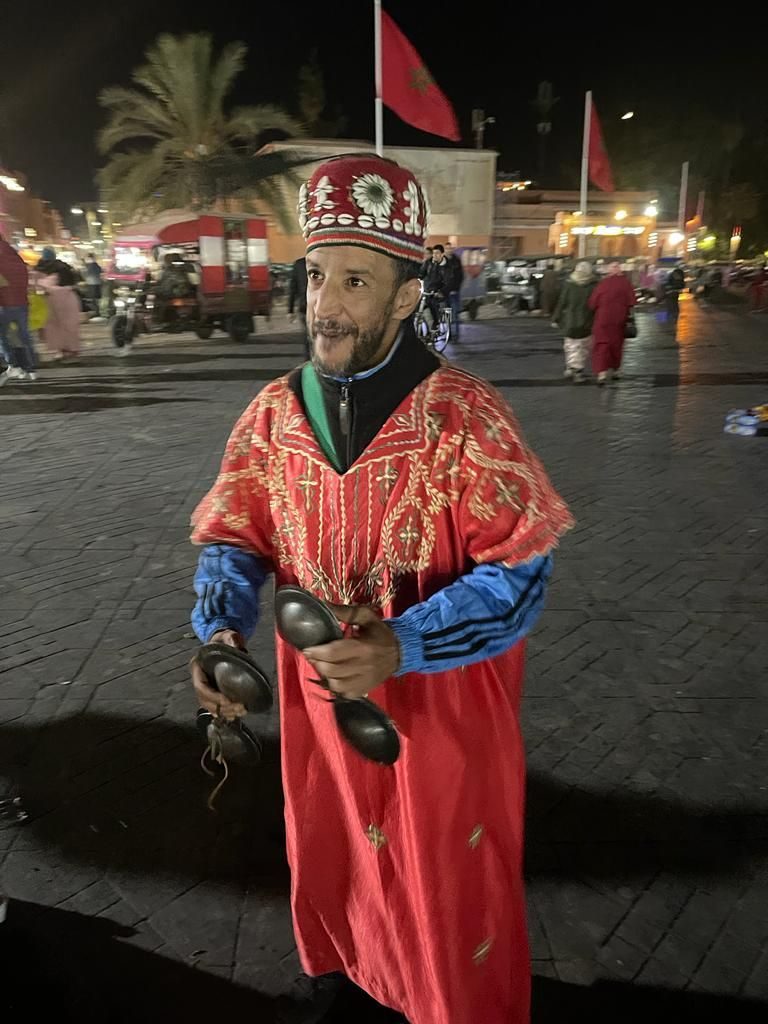
Culture village: crafts, storytelling under the tent, camel caravans, henna, traditional games
Twin teams share a beach day and a home visit with a local family
The opening caravan parade of teams, families, musicians and camels enters the stadium at sunset
7
Family hospitality
VIP family places for partners.
Checkpoint 7 · Main Stand, hospitality boxes
Family hospitality
Hospitality at Sahara Cup is built around families, not corporate boxes. The sponsorship package includes VIP family hospitality places for each partner tier:
VIP family hospitality places per tier
Tier
VIP family places
Founding Family Partner
40
Pillar Partner
20
Official Supplier
8
Friend of the Cup
4
Concessions, merchandise and VIP family hospitality are a planned income line (about €0.4M in the 2030 plan). Hospitality is not sold separately from the partner tiers.
4,000 volunteers, ten teams, a year-round core team.
Checkpoint 9 · Volunteer centre and accreditation
Volunteers and staff
Planned for 2030: ~4,000 volunteers in ten teams. Sport 700 · Family Table 650 · Villages 700 · Every Team Arrives 350 · Green Legacy 300 · Culture & Music 300 · Health & Safeguarding 350 · Guest Services 300 · Partners & Media 150 · Volunteer Centre 200.
The volunteer model
Who: home club members and families, local youth aged 16+, university students, diaspora returning for the week, international volunteers
About 6 hours a day for 4+ days, with a uniform, meals at the Family Table, insurance, a certificate and the volunteer party
Training: an online module, department training (January–March), and mandatory safeguarding for anyone working with children
Service-hours certificates usable for school and university applications
Staff
A Festival Director leads a year-round core team of about 15, growing to about 120 paid seasonal staff in festival month. These roles are planned. Recruitment has not opened yet.
Who Sahara Cup needs to work with, and the values it holds.
Checkpoint 10 · East Stand
Partners and collaborators
No partners have been confirmed yet. The plan names the kinds of collaborators the festival depends on:
A home club in Laayoune at the core of the volunteer force, and the planned Sahara Cup Foundation (non-profit) owning the event
Local authorities, schools and the stadium (the 2027 pilot)
Public and tourism partners; foundations, football development funds and philanthropy
Local women's and farmers' cooperatives (Family Table) and local foresters (Green Legacy)
The local water utility (treated-water irrigation)
Partners we will never take
Tobacco, alcohol, gambling, and foods or drinks marketed to children that conflict with the festival's health message. Every partner must accept the child safeguarding and image-rights policy.
Proposed brand placements, shown as illustrative mock-ups.
Checkpoint 12 · Perimeter boards
Advertising placements
Illustrative mock-ups. The boards in this stadium show Sahara Cup lines and “Partner placement · illustrative”, never real or fictional sponsors.
Brand visibility at Sahara Cup comes with the partner tiers in the sponsorship package. Individual placements are proposed, with no published prices, sizes or audience figures. Ask for a proposal instead. Choose a placement, or tap an AD pin in the stadium:
The partner tiers, from one tree to the Founding Family Partner.
Checkpoint 13 · Sponsorship arena
Join the family: partner tiers
Planned partner tiers
Tier
Number
Per year
Commitment
Founding Family Partner
1
€2,000,000
3 years
Pillar Partners (Sport · Family Table · Green Legacy · Music)
4
€750,000
3 years
Official Suppliers (water, transport, telecom, balls/kit, solar, food)
8
€125,000 avg, cash + in-kind
2 years
Friends of the Cup (local and regional businesses)
25
€16,000 avg
1 year
Grove Sponsors (companies and individuals)
—
€5,000 per 250 trees; €15 per tree
Per edition
Total sponsorship target: €6.5M a year, about half of the planned 2030 budget of ~€12.3M. Every tier includes a named grove, an employee volunteer programme and an annual impact report.
Why partner
Reach whole families, not just fans: parents and grandparents travel with their children
A visible purpose: trees planted, meals shared and children brought together are measured and reported every year
The 2030 story: Morocco co-hosts the FIFA World Cup in the year Sahara Cup plans to reach full scale
These are the plan's offers. No sponsors have signed. Sending an enquiry does not make you a partner: the team reviews every enquiry and replies with a proposal.